
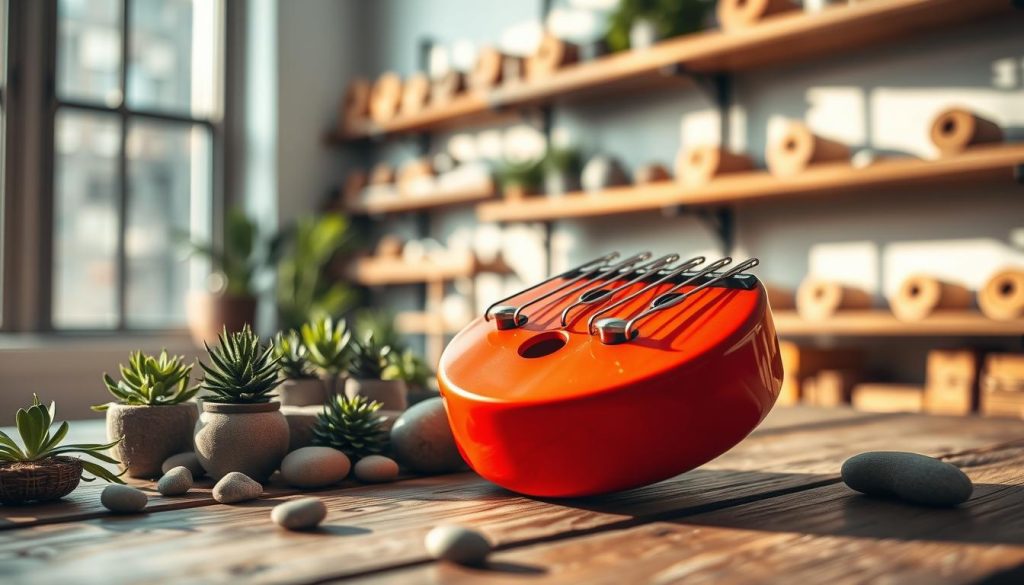
In this article, we offer a complete buying guide to help you choose a quality instrument on Amazon. With a 120% increase in sales since 2022, these relaxation instruments are attracting more and more buyers.
We will examine four leading brands: ORORA, CAHAYA, LEKATO and MeloBeat. Our main goal is to help you make an informed purchase by identifying the essential selection criteria.
This guide covers selection criteria, a detailed comparison, pitfalls to avoid, playing tips and practical buying advice. The information comes from verified product listings and customer reviews to support an objective analysis.
It is crucial to distinguish a quality model from a low-end one on a platform with so many options. The instrument’s benefits for meditation, yoga and learning music make it a popular choice.
Read on to find the model that suits your needs and budget.
Introduction: the tongue drum’s growing popularity and Amazon’s role
Interest in the tongue drum has intensified, especially over the past two years. This trend is reflected in a 120% increase in sales on online marketplaces. Several factors explain its success.
First, this instrument has handcrafted roots and has evolved into modern models. This makes it accessible to a wider audience. Players appreciate how easy it is to use and its soothing sounds.
Second, Amazon plays a central role in making this instrument more widely available. The platform offers a broad selection, allowing buyers to find a model that fits their budget.
- 76% of players include the tongue drum in their meditation sessions, confirming its primary use for well-being.
- Schools and therapists are adopting these instruments for their relaxing and educational qualities.
- The Tongue Drum Songbook is one example of a popular resource, with 151 reviews and a 4.5 ★ rating, highlighting interest in learning music.
- About 63% of buyers use sheet music to expand their musical practice.
- The instrument’s versatility appeals to beginners and experienced musicians alike.
Finally, it is important to navigate the many offers available on Amazon. Quality models appear alongside low-end products. That is why a buying guide is useful; the following sections explain the main points to consider.
Understanding the tongue drum: origins, how it works and uses
Behind every tongue drum lies a story of craftsmanship and captivating melodies. This fascinating instrument has roots in older traditions. It has evolved into modern models, often made of steel, that offer striking looks and durability.
The instrument works through tongues cut into the steel. When struck with mallets or fingers, they produce resonant notes. This creates a soothing resonance suited to relaxation.
The tongue drum has distinctive sound characteristics. Its enveloping sound helps listeners become immersed in the music. Tuning to 432 Hz is particularly recommended for meditation. D minor, meanwhile, allows you to explore more introspective melodies.
Standard models generally offer 13 notes, an ideal format for beginners. For those seeking a wider range of sounds, the MeloBeat Premium offers up to 15 notes.
The instrument’s main uses include meditation, yoga and relaxation. Children and adults also use it to learn music. Its ease of use lets beginners play harmonious melodies within their first few minutes of practice.
Compared with other musical instruments, the tongue drum stands out for how easy it is to pick up. You do not need to read music to play it. This makes it accessible to everyone, whether in sound therapy sessions, yoga classes or quiet moments at home.
In short, this versatile instrument fits easily into many settings. Next, we will cover the essential criteria for choosing a model suited to each use.
Essential criteria for choosing a tongue drum
Choosing a quality instrument requires attention to several criteria. These factors are essential to a rewarding experience. Here are the main points to consider.
Materials and build quality
Material choice is fundamental. Carbon steel is most commonly used for its durability and strength. Some manufacturers, such as ORORA, apply corrosion-resistant treatments, which help extend the instrument’s life, especially in humid environments.
Build quality is another sign of reliability. For example, LEKATO offers a two-year warranty against defects, indicating confidence in its products.
Number of notes and keys
The number of notes is a decisive criterion. Standard models usually offer 13 notes and are well suited to beginners. The MeloBeat Premium, with 15 notes, provides a richer range of sounds.
The key and tuning are just as important. D major is often recommended for its versatility, while 432 Hz is considered ideal for relaxation.
Included accessories
Accessories can make a substantial difference. For example, CAHAYA includes two professional felt mallets and a carrying bag, making the instrument easier to play and transport. ORORA also offers a digital sheet music book that enriches the learning experience.
To get the most from your purchase, consider complete kits that include everything you need, such as mallets, a protective case and learning materials.
| Criterion | Example | Note |
|---|---|---|
| Materials | Carbon steel | High durability |
| Warranty | LEKATO (2 years) | Greater confidence |
| Number of notes | 13 to 15 notes | Versatility |
| Key and tuning | D major, 432 Hz | Relaxation |
| Accessories | Mallets, carrying bag | Ease of use |
In summary, these criteria will help you make an informed choice. A well-made, quality instrument with the right accessories will enrich your musical experience.
Comparing the best tongue drum models available on Amazon
In this section, we explore the best available models and their distinctive features. Here is an overview of four popular models, each with its own advantages and drawbacks.
ORORA Handpan Steel
The ORORA Handpan Steel is priced at €64.16, with a 33% discount through April 12. Made of treated carbon steel, it offers 13 notes tuned to C major. This model is particularly appreciated for its clear resonance and included digital book of 20 pieces of sheet music. With 246 reviews and a 4.4 ★ rating, it is a solid choice for musicians of all levels.
CAHAYA Steel Drum
The CAHAYA Steel Drum is a compact 12-inch model priced at €49.99. It also offers 13 notes and is particularly suitable for beginners because it is easy to play. Supplied with a carrying bag, it has received 221 reviews and a 4.6 ★ rating. However, 18% of users mentioned imperfect finishes.
LEKATO Steel
The LEKATO Steel, priced at €67.49, is a popular model with 1,583 ratings and a 4.5 ★ rating. It is known for its excellent value for money and deep sound. However, 12% of users report needing to retune it after six months of use, something demanding musicians should consider.
MeloBeat Handpan
Finally, the MeloBeat Handpan is priced at €62.49 and stands out for its 15 notes and professional tuning in D major. With 175 ratings and a 4.5 ★ rating, it suits experienced musicians seeking a wider range. This model is valued for its superior sound quality but requires more advanced playing skills.
| Model | Price | Number of notes | Reviews | Accessories |
|---|---|---|---|---|
| ORORA Handpan Steel | €64.16 | 13 | 246 (4.4 ★) | Digital book of 20 pieces of sheet music |
| CAHAYA Steel Drum | €49.99 | 13 | 221 (4.6 ★) | Carrying bag |
| LEKATO Steel | €67.49 | 13 | 1,583 (4.5 ★) | None |
| MeloBeat Handpan | €62.49 | 15 | 175 (4.5 ★) | None |
To make an informed choice, consider these features. Each model has strengths, and the right choice depends on your needs and budget.
Tongue drums on Amazon: how can you avoid poor-quality models?
When considering a musical instrument, it is essential to know which pitfalls to avoid. On a platform like Amazon, the variety of products can sometimes lead to disappointing choices. Here are some tips to guide your purchase.
First, pay attention to the instruments’ finishes. Many users report issues such as visible welds or manufacturing defects. These can affect sound quality and the playing experience. For example, 18% of reviews of the CAHAYA model mention noticeable finish imperfections.
Another common problem is loss of tuning. About 12% of LEKATO owners report needing regular retuning after just six months of use. This may be a deal-breaker for anyone seeking a stable, satisfying musical experience.
Read verified customer reviews carefully. They will give you a clearer idea of the instrument’s actual quality before you buy. Focus on comments about durability and tuning stability.
Also compare the brands’ return policies. For example, ORORA offers a 30-day return window, while CAHAYA and LEKATO allow only 14 days. A longer return window gives you more time to test the instrument before making a final decision.
To make a return easier if you discover a defect, take photographs as soon as your package arrives. They may help document the instrument’s condition.
Finally, check the warranties offered by sellers. Favor models with at least a two-year warranty against manufacturing defects. This will protect you if a problem arises.
To recap, follow these good practices:
- Inspect the finish and build quality.
- Check customer reviews for comments on durability and tuning.
- Compare return policies before buying.
- Photograph your instrument when it arrives.
- Choose models with a warranty of at least two years.
Keeping these tips in mind will improve your chances of making an informed, satisfying purchase. To learn more about choosing sheet music for your instrument, read this article here.

| Criterion | Details |
|---|---|
| Finishes | Check for visible welds and manufacturing defects. |
| Loss of tuning | Watch out for models that need frequent retuning. |
| Customer reviews | Look for feedback on durability and sound quality. |
| Return policy | Favor brands offering at least 30 days. |
| Warranty | Choose models with a warranty of at least two years. |
Tips for using a tongue drum for meditation, yoga and learning
Playing a tongue drum can enrich your meditation and yoga practice. By adding it to your routine, you can explore soothing sounds that encourage relaxation.
Striking techniques for soothing sounds
A circular striking technique is essential for producing continuous, enveloping sounds. These sounds are ideal for accompanying meditation sessions and creating a relaxing atmosphere.
Rhythmic strikes, meanwhile, let you create structured melodies. This enriches the musical experience during yoga sessions. Explore different techniques to vary your playing.
Adding the instrument to yoga and meditation sessions
Here are some tips for using the tongue drum in your sessions:
- Low sounds complement grounding poses and create a sense of stability.
- High notes energize transitions and add energy.
Sophie, a yoga teacher in Lyon, uses her CAHAYA twice a week. She finds that the instrument’s vibrations improve her students’ concentration.
To enhance relaxation, the Insight Timer app is recommended. It guides meditation sessions with harmonious sounds, strengthening the experience.
Simple exercises to get started and improve
Beginners can try these simple exercises:
- Three-beat rhythmic patterns to practice keeping time.
- Slow note sequences to develop fluidity.
- Free improvisation to stimulate creativity without requiring music theory knowledge.
The Tongue Drum Songbook is an ideal resource for learning 50 songs in a month. It provides structure for learning and helps you progress quickly.
Tuning to 432 Hz is also particularly suited to relaxation and meditation. It creates a soothing listening experience that promotes a sense of well-being.
Finally, vary your melodies according to the time of day and your session’s goals. This will help you explore different soundscapes.
By incorporating these tips into your practice, you can get the most from your instrument for both well-being and musical learning.

Amazon buying guide: plan your order and avoid surprises
When buying an instrument, it is important to plan your order carefully. This can help you avoid problems and improve your satisfaction. Here is a practical guide to the buying process.
Delivery and shipping options
Shipping costs can have a significant effect on your budget. For example, standard delivery of an instrument costs €36.05. Include this amount in your total purchase cost.
For buyers in a hurry, express delivery is an appealing option. It lets you receive your instrument before April 12 if you order today. That may be useful if you want to start playing quickly.
If you are an Amazon Prime member, you can save up to €18 on shipping. This is one way to make your budget go further.
Warranties, returns and seller checks
Before completing your purchase, check the return policies. For example, ORORA gives you 30 days to test the instrument, while CAHAYA and LEKATO offer only 14 days. This difference matters when buying with confidence.
Take photographs as soon as your package arrives. They can make returns easier if there is a problem. Remember to check certificates of authenticity to avoid counterfeits.
As for sellers, 57% of the lowest prices are found on Marketplace. However, pay close attention to warranty terms and product authenticity. Reputable sellers often provide certificates of authenticity and demonstration videos.
Tips for finding the best promotions
To maximize savings, enable Amazon price alerts. They will notify you when prices fall on models you are interested in. Compare new and refurbished offers to find the best deal.
Check Amazon’s sale calendar, particularly in January and June, when discounts may reach 15%. This can help you manage your budget while buying a quality instrument.
Finally, check the product specifications and make sure the instrument meets your quality expectations. Avoid products that do not meet manufacturing standards. This can spare you disappointment and extra costs.
| Criterion | Details |
|---|---|
| Shipping costs | €36.05 for standard delivery |
| Express delivery | Before April 12 if you order today |
| Amazon Prime savings | Save up to €18 on shipping |
| Return policy | 30 days for ORORA; 14 days for CAHAYA and LEKATO |
| Seller checks | 57% of the lowest prices on Marketplace |
| Price alerts | Enable them to track price drops |
| Sales | Discounts of up to 15% in January and June |
Following these tips will improve your chances of making an informed, satisfying purchase. For more information about buying an instrument, read our complete guide.

Caring for your tongue drum
Regular care is essential to preserve your instrument’s lifespan and sound quality. Here are some practical ways to look after it.
Regular cleaning and storage
Proper cleaning is crucial to keeping your instrument in good condition. Use a soft, slightly damp cloth to remove dust and residue. This cleans the steel surface without damaging it.
After each yoga or meditation session, wipe the instrument with a dry cloth. This helps prevent dirt buildup and preserves sound quality.
Rust prevention and corrosion protection
To prevent rust, apply a thin coat of mineral oil to the steel surface. This creates a protective barrier against moisture and helps your instrument last longer.
Avoid harsh chemicals, which may affect resonance and damage the manufacturer’s corrosion-resistant treatment. Protecting the instrument helps maintain its strength.
Possible adjustments and repairs
Impacts can affect your instrument’s tuning. A blow may put one or more notes out of tune, so check the pitch of the tongues regularly. If tuning problems persist or the instrument is damaged, consult an authorized repair shop for the necessary adjustments.
Always store your instrument in its carrying bag or protective case. This shields it from dust and temperature changes, extending its life.
| Care practice | Details |
|---|---|
| Cleaning | Use a soft, slightly damp cloth to remove dust. |
| Storage | Store in a dry place, away from direct sunlight and extreme temperatures. |
| Protection | Use a sturdy carrying case to prevent damage. |
| Adjustments | Check the tuning regularly after impacts. |
| Repairs | Consult an authorized repair shop if tuning problems persist. |
By following these practices, you can enjoy your instrument’s harmonious sounds for years.
Conclusion: which tongue drum should you choose in 2024?
Several models stand out when choosing an instrument in 2024. The LEKATO Steel offers the best value for money, with 1,583 verified reviews, and its deep sound appeals to musicians of all levels.
For beginners and families, the CAHAYA at under €50 includes all the essential accessories and is pleasantly easy to use. The MeloBeat Handpan, meanwhile, suits experienced musicians: its 15 notes tuned to D major allow for varied compositions.
Read user reviews to refine your choice and check current promotions on the product listings. Remember to consider material quality, the number of notes and included accessories before buying.
Adding this instrument to meditation, yoga or music learning can help you discover its many benefits. Ultimately, choose a model that offers the best balance of sound quality, durability and price for a rewarding musical experience.